The first task was to keep this as the family holiday, with the second task of sneaking in some quality birding time without compramising our relationship 
We stayed in Uzumulu, a lovely and generally unspoilt mountian village high above Fetihye. The apartment overlooks open fields and small Olive groves, with a backdrop of small pine covered hills.
A few trips out of the immediate area were to Koya Koy village, Calis marsh, Patara Beach and a two day trip to Ephusus and Pamukkale (future posts will be added for these wonderful places)
51 species were seen during the 10 days - of which 9 were life birds
30 Species were recorded in and around Uzumulu.
5 or so species were not positivly ID so will have to wait for another year.
The weather was incredibly hot and often reached 40-46 degrees celsius so as expected the hours between 9am and 5pm were generally quiet and would have been hard work if I had tried too hard.......
Around Uzumulu:
Housesparrow - as much as I enjoy my garden sparrows, these became a nuisance and were found everywhere and all of the time, they got me lifting the bins far too often.
Collored Dove - abundant in Uzumulu and in large numbers elsewhere
Olivecious Warbler - a smart pair in the village
Syrian Woodpecker - abundant in the village
Housemartin - Nesting around the apartment in large numbers
Masked Shrike - seen nr the apartment on 3 days
Alpine Swift - around the hills of Uzumulu and Kaya Koy
Woodchat Shrike - very showy and in good numbers around the apartment including some juveniles
Blackbird - abundant around the village
Greenfinch - in small numbers around the village also seen at Pamukkale
Jay - abundant everywhere and the atricapillus group with a uniform mantle & nape, black crown.
White Wagtail - numerous sightings around the village with a couple often coming to the pool side
Sparrowhawk - seen on 2 consecutive days over the village both times being mobbed
Swallow - abundant everywhere, try as I might couldnt get a Red Rumped
Great Tit - small numbers around the village and elsewhere
Short-toed Eagle - one seen above Uzumulu while on a mountain walk
Kruipers Nuthatch - a fairly reliable species seen in the village pine forests and a target bird for most visitors to Turkey
Lesser Spotted Woodpecker - a single bird flew to the trees bordering the olive groves next to the apartment
Crested Lark - in good numbers at all sites but great to see and hear a group come to roost every evening in the field next to the apartment
Scops Owl - 2 or 3 heard around the village and although we found the tree that one was calling from a glimpse of it eluded me.
Cuckoo - 2 calling around the village on 3 seperate days
Lesser Whitethroat - a few around the apartment
Blue tit - a few around the apartment and in suprisingly small numbers
Goldfinch - some large roving flocks around the village and also at Pamakkule
Sand Martin - a single bird seen in a flock of Swallows next to the apartment
Yellow Wagtail - single sighting nr apartment
Common Buzzard - a single sighting over the village
Eastern Orphean Warbler - a single sighting nr the apartment
Raven - single sighting over the village and also at Pamukkale
Middle Spotted Woodpecker - a pair seen on the edge of the village and a real bonus as this species was not expected
Calis: - no scope with me so a few species got away as they were a little distant (although I have some camera record shots that I will go through later)
Little Egret - a single bird
Yellow Legged Gull - plenty (but the only Gull species seen)
Little Bittern - seen flying up the river canal and a few on the marsh
Hooded Crow - in good numbers and also over a few other locations
Common Sandpiper - good numbers on the marsh
Redshank - good numbers on the marsh
Spotted Redshank - good numbers on the marsh
Spur Winged Plover - single bird very mobile on the marsh
Coot - single bird
Kingfisher - single bird
Grasshopper Warbler - in the reeds along the embankments and riverways of calis
Reed Warbler - as above
Great Reed Warbler - as above
Pamukkale: other than those species already mentioned above
Hoopoe - flew right past me while walking on the site
Serin - single sighting at the nearby Hierapolis
Rock Nuthatch - in very good numbers.
White Stork- regular in the area especially in the town of Denizli
Wheatear - some confusion with these as they all seemed to have striking large buff edges to the tertials and primaries, but couldnt see what else they could be.
Isabeline Wheatear - a few in the Hierapolis area
Bee-Eater - 10 birds showing fantastically well behind an onyx workshop (part of the coach tour) nr Pamukkale
Patara: (again no scope)
Little Grebe - the only species I could reliably ID and were in large numbers
= a new life bird


Eastern Oprhean Warbler

Rock Nuthatch


We stayed in Uzumulu, a lovely and generally unspoilt mountian village high above Fetihye. The apartment overlooks open fields and small Olive groves, with a backdrop of small pine covered hills.
A few trips out of the immediate area were to Koya Koy village, Calis marsh, Patara Beach and a two day trip to Ephusus and Pamukkale (future posts will be added for these wonderful places)
51 species were seen during the 10 days - of which 9 were life birds
30 Species were recorded in and around Uzumulu.
5 or so species were not positivly ID so will have to wait for another year.
The weather was incredibly hot and often reached 40-46 degrees celsius so as expected the hours between 9am and 5pm were generally quiet and would have been hard work if I had tried too hard.......
Around Uzumulu:
Housesparrow - as much as I enjoy my garden sparrows, these became a nuisance and were found everywhere and all of the time, they got me lifting the bins far too often.
Collored Dove - abundant in Uzumulu and in large numbers elsewhere
Olivecious Warbler - a smart pair in the village
Syrian Woodpecker - abundant in the village
Housemartin - Nesting around the apartment in large numbers
Masked Shrike - seen nr the apartment on 3 days
Alpine Swift - around the hills of Uzumulu and Kaya Koy
Woodchat Shrike - very showy and in good numbers around the apartment including some juveniles
Blackbird - abundant around the village
Greenfinch - in small numbers around the village also seen at Pamukkale
Jay - abundant everywhere and the atricapillus group with a uniform mantle & nape, black crown.
White Wagtail - numerous sightings around the village with a couple often coming to the pool side
Sparrowhawk - seen on 2 consecutive days over the village both times being mobbed
Swallow - abundant everywhere, try as I might couldnt get a Red Rumped
Great Tit - small numbers around the village and elsewhere
Short-toed Eagle - one seen above Uzumulu while on a mountain walk
Kruipers Nuthatch - a fairly reliable species seen in the village pine forests and a target bird for most visitors to Turkey
Lesser Spotted Woodpecker - a single bird flew to the trees bordering the olive groves next to the apartment
Crested Lark - in good numbers at all sites but great to see and hear a group come to roost every evening in the field next to the apartment
Scops Owl - 2 or 3 heard around the village and although we found the tree that one was calling from a glimpse of it eluded me.
Cuckoo - 2 calling around the village on 3 seperate days
Lesser Whitethroat - a few around the apartment
Blue tit - a few around the apartment and in suprisingly small numbers
Goldfinch - some large roving flocks around the village and also at Pamakkule
Sand Martin - a single bird seen in a flock of Swallows next to the apartment
Yellow Wagtail - single sighting nr apartment
Common Buzzard - a single sighting over the village
Eastern Orphean Warbler - a single sighting nr the apartment
Raven - single sighting over the village and also at Pamukkale
Middle Spotted Woodpecker - a pair seen on the edge of the village and a real bonus as this species was not expected
Calis: - no scope with me so a few species got away as they were a little distant (although I have some camera record shots that I will go through later)
Little Egret - a single bird
Yellow Legged Gull - plenty (but the only Gull species seen)
Little Bittern - seen flying up the river canal and a few on the marsh
Hooded Crow - in good numbers and also over a few other locations
Common Sandpiper - good numbers on the marsh
Redshank - good numbers on the marsh
Spotted Redshank - good numbers on the marsh
Spur Winged Plover - single bird very mobile on the marsh
Coot - single bird
Kingfisher - single bird
Grasshopper Warbler - in the reeds along the embankments and riverways of calis
Reed Warbler - as above
Great Reed Warbler - as above
Pamukkale: other than those species already mentioned above
Hoopoe - flew right past me while walking on the site
Serin - single sighting at the nearby Hierapolis
Rock Nuthatch - in very good numbers.
White Stork- regular in the area especially in the town of Denizli
Wheatear - some confusion with these as they all seemed to have striking large buff edges to the tertials and primaries, but couldnt see what else they could be.
Isabeline Wheatear - a few in the Hierapolis area
Bee-Eater - 10 birds showing fantastically well behind an onyx workshop (part of the coach tour) nr Pamukkale
Patara: (again no scope)
Little Grebe - the only species I could reliably ID and were in large numbers
= a new life bird
Masked Shrike


Middle Spotted Woodpecker

Syrian Woodpecker

Woodchat Shrike - Juvenile
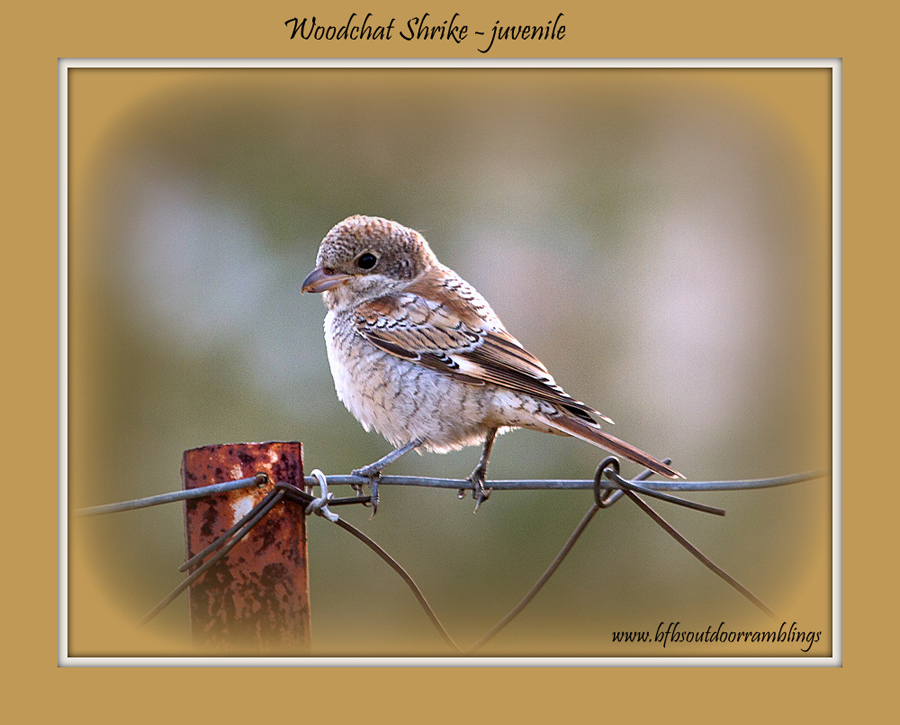

Woodchat Shrike

Little Bittern


