This was the first excursion away from Casa Maria. A four hour drive to a cattle ranch and nature reserve called Hato Piñero, which covers much of the central llanos (wetlands and grasslands) of Venezuela and is situated near to Cojedes. Hato Piñero certainly offers the best of the Venezuelan llanos and is home to over 350 species of birds and mammals. The next chapter will look at the Mammals of the Llanos leaving this chapter dedicated to some of the birdlife.

We arrived late afternoon and were quickly introduced to what was going to be an exceptional raptor fest.... a pair of White Tailed Hawks displayed near to the entrance gates. A few miles further ahead we reached the ranch and soon found the local birdlife in and around the courtyard .... a magnificant pair of Scarlet Macaws and plenty of Yellow headed Caracara


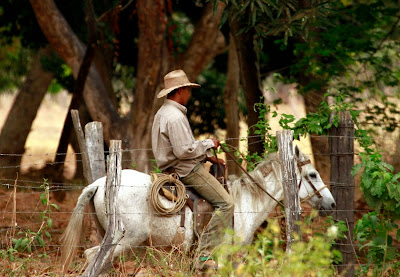
This is a working Cattle ranch so for us UK citizens it was quite a treat to see real Cowboys at work


and of course where there are cattle there are birds

Jabiru - standing his ground

The ranch is only a part of the reserve, countless pools and lagoons line the tracks although this was towards the end of the dry season so some had dried and others were close to drying out. Where there was water we were treated to some stunning water birds....  so many species of Egrets and Ibis and our target birds did not dissapoint!

Scarlet Ibis


as did a host of other wonderful waders

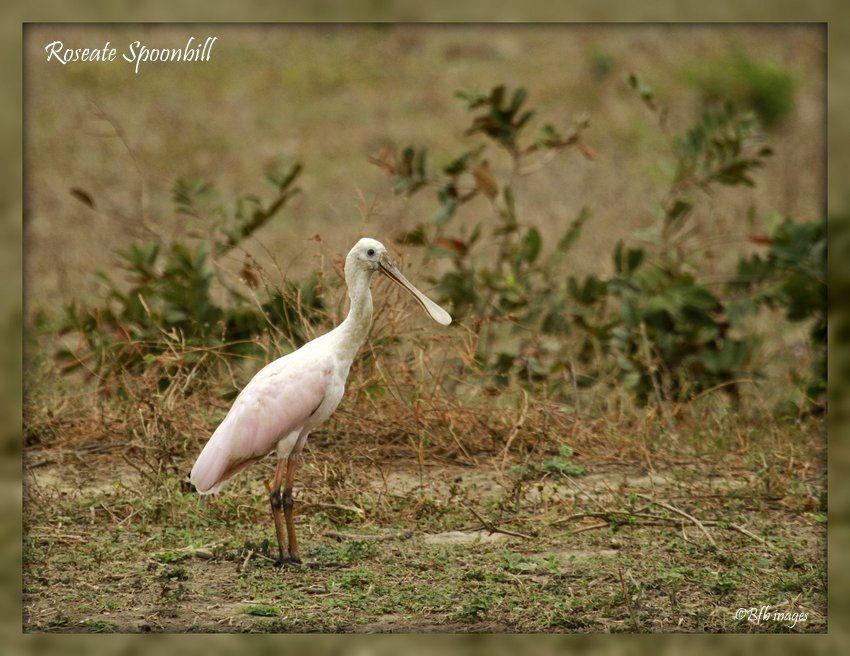
Roseate Spoonbill

Rufescent Tiger-Heron

Whistling Heron

Sharp Tailed Ibis

and Buff Necked Ibis

of course there were plenty of the smaller species at Hato Pinero including White Bearded Flycatcher, Ringed Kingfisher, White Headed Marsh Tyrant, Red Capped Cardinal, Black Crested Antshrike, Black Fringed Antwren, Vermillion Flycatcher, Bi-coloured Wren, Tropical Gnatcatcher, and the national bird of Venezuela .....

Venezuelan Troupial.


Hoatzin were noisy, clumsy and fun

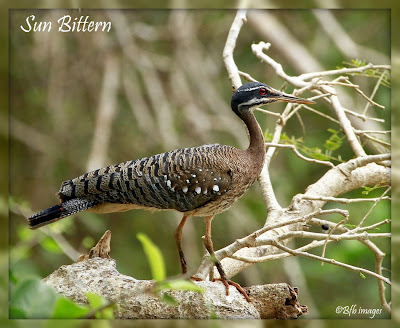
Sun bittern 

a stunning wingspan

Russet Throated Puffbird
 pretending to be a kingfisher 

Amazon Kingfisher 

and some of the smallest species

Saffron Finch

Stripe-Backed Wren 

Brown Crested Flycatcher

Streaked Flycatcher

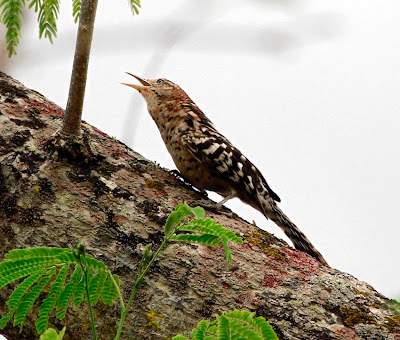
Common Thornbird 

Crimson-crested Woodpecker

Pied Marsh Tyrant 

 Fork-tailed Flycatcher

and not forgetting the very special endemic species
Yellow Knobbed Currasow


alas this is too long and still so much to show from the Llanos and Hato Pinero
I will follow with a another post looking at the raptors amd mammals..... dont miss it!!

now its time to roost....

Scarlet Ibis and Mixed Egrets

evening draws in on the Llanos

and a little night life..... this Double striped Thick Knee got caught in the headlights and stayed on the road just in front of us for well over a mile

a very special sighting while heading back for diner!


A birding trip to South America and a little over two weeks to spend in Venezuela. This trip report will be split into four parts... Part 1 Casa Maria. This will be our base for the majority of the trip. Part 2 Llanos, Part 3 Yacumbu park and Part 4  2 x Mountain trips.

Casa Maria is set amongst some lovely mountain landscape nr to the town of Bejuma in the Carabobo state it is also aptly named Bugs Paradise, and what a paradise. Owned by German couple Norbert and Gabby Fluager this is ideal for anyone who has an interest of nature and is possibly one of the best wildlife orientated guest houses the world has to offer. 

See here http://www.bugparadise.com/index.html From this base our trip would unfold!

Birds and wildlife within the casa maria boundry is exceptional and include numerous frogs, beetles and Sloths..... of which an occasional one would fall from a tree and land on the patio! Birding this area took a number of forms... The large gardens including orchards, woods and trails including a seat looking over a large valley. Outside the grounds we walked up and down the hill and along the Palmichal road for aprox 6 kilometers which gave great birds all along the route. A single mornings visit to the Palmichal cloud forest, plus single trips to San Pablo marshes and many mornings from early dawn or late evenings at the casa maria moth light.

A total of 300 species were seen (I didnt count the many heard only Species) including various raptors such as Solitary Eagle towards the top of the Palmichal rd, Double Toothed Kite at what seems to be a nest site 2km from Casa Maria, large numbers of Swallow Tailed Kites soaring low over Casa Maria grounds.
Double Toothed Kite

Swallow Tailed Kite
Noisy Russet Backed & Crested Oropendolas kept everything on their toes when large flocks moved about while plenty of colourful Tanager species including Summer, Guira, Fawn Breasted, Blue Necked, Bay Headed, White lined, Blue Grey Speckled Tanagers amongst a host of others often fed close to the roadside or on the garden feeders and a single sighting of an Orange Crowned Oriole on the road was a nice suprise.

Fawn Breasted Tanager

Speckled Tanager


Some of the more common birds to the area were Bannaquit, Common Tody Flycatcher, Tropical KingbirdSocial, Rusty Margined, Boat Billed and Great Kiskadee Flycatchers.

Common Tody Flycatcher

Rufous Margined Flycatcher

Bran-Colored Flycatcher

Every morning the dawn silence was broken by the arrival of 8 Rufous Vented Chachalacas. These wonderful characters came for bananas from the feeders... or even from humans!! they just wern`t fussy.

Chacalacas - wild! you wouldnt think so would you.

These species were in and around the gardens everyday
Rufous Tailed Jacamar

Buff Throated Saltator
glitteringThroated Emerald

Barred Antshrike

Streak Headed Woodcreeper

 
Some of the stars of the area were the Endemic Groove Billed Toucanets, we even had a pair of them feeding on rotten bananas on the ground letting us get to within 10ft or so.... brilliant. Blue Headed, Orange Winged and Red Billed Parrots while during a couple of evenings we were treated to Black and White Owl... one of the evenings we had a pair perched on the same stand while they took turns to catch moths. A very early get up also bagged us a Short Tailed Night Hawk also taking moths from around the night light.
Black and White Owl
Sooty Capped Hermit

and Hermit nest with chicks - they fledged during our stay.

Red Crowned Woodpecker 

Groove Billed Toucanets 

A little further afield at San Pablo marshes we got stunning views of the rare 5mtr Orinoco Crocodiles. A little easier to get close to were OspreyPurple Galinules, Lesser Kiskadee, Snail Kites, Northern Screamers, Little Cuckoos, Scaled Piculet and the wonderful Black Capped Donacobious.
Little Cuckoo

Snail Kite

Black Capped Donacobious
 
With plenty of wonderfull flowers on show they of course ensured we had plenty of Hummingbirds to see especially the nesting Sooty Capped Hermit and this Stripe Throated Hermit which showed during the very last hour of the holiday

and just to cap a fantastic place Three toed Sloths were in abundance


Casa Maria really is paradise


Male Sparrowhwk from this morning. He usualy pops in most weeks but has a poor success rate in my garden due to the fact that the position of my feeders give the small birds plenty of cover to retreat to. The images dont show the squirrel that was a few yards away in the same tree that had frozen with fear, its a good job the larger female wasnt sat in wait.

 All the images are poor as they were taken from inside the house and this mornings weather was particularly murky and wet


For over 30 years, the RSPB have been asking supporters to count the birds in their garden for one hour over a specific weekend during late winter. During this time, more than 3 million hours have been clocked up watching and enjoying the birds that visit our gardens (that's more than 380 years worth of info!), and every year, over 6 million birds are spotted and recorded. These figures go along way to understanding the trend of species that are indecline and those that are prospering more.

Of course the hrs watch is only a snapshot of whats going on, its great to get the kids seeing whats under their noses too but also its a quick indicator of how some species have fared after the winter cold.

I did my hrs RSPB Big Garden birdwatch on Saturday 08.45-09.45:
A Hard frost overnight
In order of appearance for 2012:
08.45-09.45

Blackbird 5
Housesparrow 5
Greenfinch 16
Dunnock 1
Goldfinch 4
Woodpigeon 2
Starling 3
Jackdaw 1
Chaffinch 5
Blue tit 3
Collared Dove 2
Lesser Redpoll 11
Coal Tit 1
Magpie 2
Great tit 2
Long Tailed Tit 2

This is how it compares with last year
In order of appearance for 2011:
08.45-09.45- same time of the day

Greenfinch 6
Blackbird 2
Carrion Crow 2
Robin 1
Starling 15
Lesser Redpoll 21
Blue Tit 2
Chaffinch 3
Woodpigeon 4
Siskin 3
Goldfinch 2
Mealy Redpoll 1
Magpie 1
Housesparrow 4
Dunnock 1
Fiedfare 1
Wren 1
Feral Pigeon 6
Collared Dove 1

2012 Vs 2011
16 Species this year Vs 19 Species last year
65 individual birds this year Vs 77 individual birds last year

What does it tell me? probably nothing that I didnt know before ..... Geenfinch numbers are up this year and have been over the whole winter just as the Lesser Redpoll numbers have halved just as they have over the whole winter, and most of the Starlings this year were busy pestering somebody else, But put together with the other million or two results it will paint a better overall picture.

Glad to have to my bit
Very pleased with todays visit to my local patch in my village as I have at last seen my first UK Lesser Spotted Woodpecker -a female. Although poor images it has only taken 5 years to get this! I will try for a better photo over the next few days if the fog decides to recede


Update: Returned this morning and was fortunate to see the female again and shortly after she disappeared I was given some stunning views of a male.


Happy Days.

Popular Posts

Blogger templates

Blogger news

Blogroll